1. The case, with its image
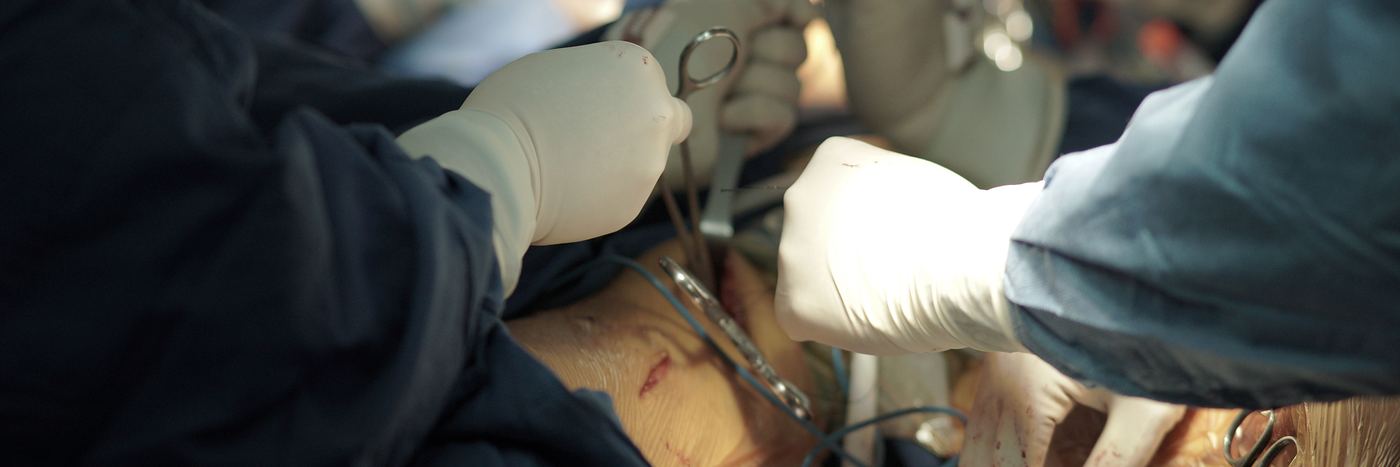
A real wound, photographed and annotated, with the context you would have in the consulting room: mechanism, hours since injury, comorbidity and the material at hand.
Clinical training for nursing
SuturaLab trains judgement before technique. Every block opens with a real case and a photograph of the wound: you choose, we correct you on the spot, and the reasoning is what you carry to the bedside. For nurses, doctors and health-science students.
Pathway
You start free on Esencial. Once you finish it, Intermedio and Avanzado are there for the next step up. One payment per level, no subscription.
The method
Classic training hands you the theory and tests you at the end. Here the order is the one you work in: the case arrives, you decide with what you can see, and the reasoning lands exactly when you need it.
A real wound, photographed and annotated, with the context you would have in the consulting room: mechanism, hours since injury, comorbidity and the material at hand.
Four plausible options, not three absurd ones and an obvious answer. Close, do not close, refer or choose the dressing — the same call you make in front of the patient.
Instantly: why the right answer is right and which concrete mistake hides behind each distractor. No punishment for getting it wrong — that is when you learn most.
Every case closes with one idea you can use at the bedside: the criterion, the limit of your scope of practice and the red flag that forces a referral.
The theory does not disappear, it is reordered: short doses, after the decision, always anchored to a case you have already seen.
For nurses in primary care, emergency departments and outpatient clinics; for family-medicine residents; for undergraduates who want to arrive at placement with trained hands; and for emergency staff who must decide quickly which wound is closed, which is referred and which is left alone.
It does not replace in-person training or clinical supervision: it complements, structures and assesses it.
We do not invent a classification of our own. Pressure injuries are categorised exactly as GNEAUPP categorises them in Technical Document nº II and as the EPUAP/NPIAP/PPPIA panel does in its 2019 international guideline, and we use their terminology unchanged.
Three packs
A single payment per level, no subscription, permanent access. Start with the free one and move up when you need to.

Foundations of suturing and wound care
FreeFree forever, no card

Most chosen
Advanced techniques, high-risk wounds and chronic wounds
€39one payment

Advanced minor surgery and demanding anatomical sites
€79one payment
| Feature | Esencial | Clínico | Experto |
|---|---|---|---|
| Lessons | 10 | 11 | 8 |
| Self-marking tests | Yes | On release | On release |
| Downloadable PDF certificate | Yes | Yes | Yes |
| Student community | Yes | Yes | Yes |
| Study assistant (coming soon) | On release | On release | On release |
| Languages | 5 | 5 | 5 |
| Permanent access | Yes | Yes | Yes |
| Estimated hours | 12 h | 18 h | 22 h |
| Price | Free | €39 | €79 |
Prices in euros, taxes included. The paid levels are not yet open for purchase: the syllabus and the price are already final.
Why SuturaLab
Judgement before technique
Before we teach you to close, we teach you when not to close. Every module sets out explicit referral criteria.
Reasoned correction
Every case is corrected instantly: why the right option is right and why each of the others fails. The pass mark is 70%.
Five languages, one syllabus
Spanish, English, French, Italian and German, with the equivalent technical glossary in each language.
Certificate of achievement
Pass the final exam and you download your certificate as a PDF, with the estimated course length and the score you obtained.
Practice
Every lesson ends in one concrete movement you can repeat on a practice pad before you touch a patient. We list the kit in the first lesson; nothing expensive is needed.

Foundations of suturing and wound care
4 modules · 10 lessons · 12 h

Advanced techniques, high-risk wounds and chronic wounds
4 modules · 11 lessons · 18 h

Advanced minor surgery and demanding anatomical sites
4 modules · 8 lessons · 22 h
What it is and what it is not
Every technique rests on current practice guidelines and on the GNEAUPP and EPUAP wound classification. Where the evidence is debatable, we say so.
Before each technique you learn its limit: which wound must not be closed, which one is referred and which patient falls outside your scope of practice.
All the clinical photography we use is public domain or freely licensed, credited one by one on the credits page.
Spanish, English, French, Italian and German, with the equivalent technical glossary in each language.
FAQ
Create your account and go straight into the first case of the Esencial level. Free, complete and no card required.
One step only: name, email and password. You land straight in the free course.