
Intermedio
Advanced techniques, high-risk wounds and chronic wounds
The level of everyday clinic and emergency work.
€39 one payment
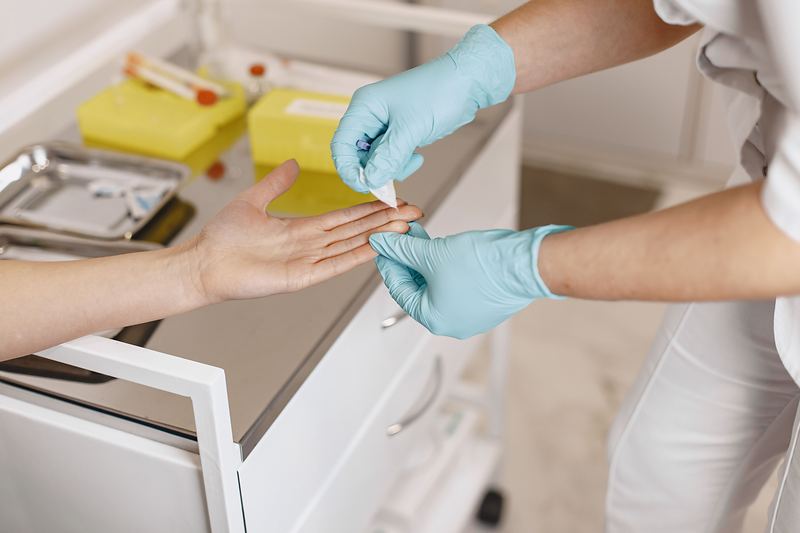
The Intermedio level covers what actually walks into a primary-care room or an emergency cubicle: the wound that will not close well with a simple stitch, the bite, the contaminated wound, the ulcer that has been open for six months.
It widens the technical repertoire (blocks, mattress sutures, running and subcuticular closure), adds the alternatives to thread, and moves into chronic wounds with the TIME framework. It closes with what protects the practitioner: clinical records, consent and legal liability.
Prerequisites: Completing the Esencial level is recommended, or equivalent command of the simple stitch and instrument tie.
What you will be able to do
- Perform digital and regional nerve blocks safely.
- Choose between simple, vertical mattress, horizontal mattress and running sutures according to tension and wound edge.
- Close with a subcuticular technique when the cosmetic result matters.
- Manage contaminated wounds and bites, and decide on tetanus and antibiotic prophylaxis.
- Use staples, adhesive strips and cyanoacrylate for their correct indications.
- Assess a chronic wound with the TIME framework and choose a dressing.
- Document, obtain consent and define the limits of your professional liability.

Syllabus
Module 1 — Regional anaesthesia and the repertoire of stitches
Digital and regional blocks, mattress sutures, running, subcuticular and the scalp.
- Regional and digital nerve blocks — Anaesthetising a nerve territory with little volume: indications, injection points, volumes and the errors to avoid in fingers and on the face.
- Vertical (Donati) and horizontal mattress sutures — The stitches that evert and share tension. When they are worth their higher ischaemia risk and how to combine them with simple stitches.
- Running, locked and subcuticular sutures — Speed and cosmesis. Path, tension control, anchoring and how to finish a subcuticular closure with no visible knots.
- The scalp — Blood supply, bleeding control, staples versus thread, hair apposition technique and managing the galea.
- Module test
Module 2 — High-risk wounds
Contamination, bites and tetanus prophylaxis.
- Contaminated wounds and bites — Dog, cat, human. Expected flora, intensive irrigation, antibiotic indications and why they are almost never closed primarily.
- Tetanus prophylaxis — Clean versus tetanus-prone wound, vaccination status, vaccine and immunoglobulin schedules, and documentation.
- Module test
Module 3 — Alternatives to thread, and dressings
Staples, strips, cyanoacrylate, dressing choice and detecting infection.
- Staples, adhesive strips and cyanoacrylate — Three fast alternatives to thread. Exact indications, contraindications, application technique and removal.
- Choosing a dressing — Hydrocolloid, foam, alginate, hydrofibre, silver, silicone. A decision map by exudate, wound bed and surrounding skin.
- Signs of infection — Telling normal inflammation from critical colonisation and infection; NERDS/STONEES criteria; when to swab and when to treat.
- Module test
Module 4 — Chronic wounds and safe practice
Dependency-related lesions (GNEAUPP), EPUAP/NPIAP categories, venous ulcers, diabetic foot, the TIME framework, records and liability.
- Chronic wounds and the TIME framework — Pressure, venous and diabetic-foot ulcers. Assessment with TIME (tissue, infection, moisture, edge) and wound-bed preparation.
- Clinical records, consent and legal liability — What must be written down, how a referral is documented and where the limits of your scope of practice lie.
- Module test
Module 5 — Geometría de la herida: ángulos, esquinas y colgajos
La herida en ángulo de 90°, el colgajo triangular y el punto de esquina. Lo que casi nadie enseña y lo que más necrosis de punta produce.
- Herida en ángulo y colgajo triangular — La herida en L de 90° no se cierra como una herida lineal: la punta del colgajo es lo único que puede necrosarse.
- Punto de esquina: el colchonero horizontal semienterrado — Un solo punto sujeta el vértice de un colgajo sin atravesarlo por la superficie. Cómo se da, paso a paso.
- Heridas estrelladas y pérdida de sustancia — Cuando la geometría no permite un cierre sin tensión, la decisión correcta suele no ser suturar.
- Module test
Module 6 — Antisepsia e irrigación: qué usar en qué herida
Decidir la solución, la presión y el volumen según la herida que tienes delante, no según la costumbre del carro de curas.
- Antiséptico: cuál en cada herida — Lo que va en la piel de alrededor no es lo que va dentro del lecho. Ese es todo el contenido de esta lección.
- Irrigación: presión, volumen y técnica — La irrigación es un procedimiento con dosis. Sin presión no arrastra; con demasiada, empuja la contaminación hacia dentro.
- Module test
Module 7 — Apósitos: elegir familia por lecho y exudado
Hidrocoloide, espuma, silicona, alginato, hidrofibra, hidrogel, plata, carbón y malla no adherente, decididos desde el lecho y el exudado.
- Mapa de decisión de apósitos — Dos datos deciden la familia: qué hay en el lecho y cuánto exuda. Todo lo demás es marca.
- Antimicrobianos, contacto y olor — Plata, carbón y malla no adherente: tres decisiones con indicación estrecha y plazo escrito.
- Module test